
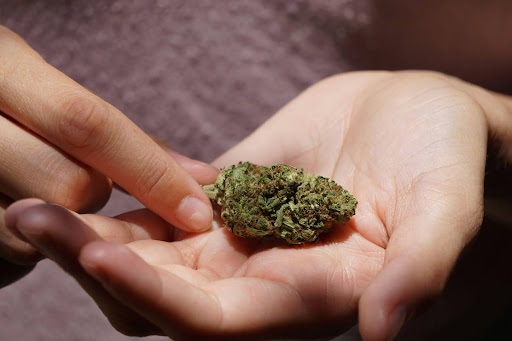
THCa flower has suddenly become the new darling of dispensaries, wellness circles, and even the fitness community. It’s raw, it’s potent, and it’s redefining what it means to enjoy cannabis in its most natural state.
But what’s driving the sudden buzz around this compound, and why are health-conscious users, seasoned cannabis lovers, and curious newcomers all reaching for THCa flower?
To really understand its rise, you have to look at what makes it unique, how it’s changing perceptions of cannabis, and what role it might play in the future of alternative wellness.
Understanding THCa: The Precursor to THC
THCa, or tetrahydrocannabinolic acid, is a naturally occurring compound found in raw cannabis. It’s essentially the chemical building block that transforms into THC, the psychoactive component most people associate with marijuana.
The transformation happens through a process called decarboxylation: when cannabis is heated, THCa sheds a carboxyl group, becoming THC.
In its raw form, however, THCa is non-psychoactive. This means that consuming THCa flower doesn’t produce the “high” effect that comes from smoking or vaping THC. Instead, it offers a clean, pure version of the plant’s natural chemistry.
Many users are drawn to this because it allows them to experience cannabis without feeling impaired. The result is a subtler, more grounded relationship with the plant, one that supports wellness rather than escapism.
The Rise Of THCa Flower In The Market
THCa flower’s surge in popularity isn’t random. It’s the result of both changing regulations and a shift in consumer behavior.
With the 2018 Farm Bill legalizing hemp products that contain less than 0.3 percent delta-9 THC, THCa flower found a loophole that made it widely accessible across the United States. For any products containing higher than 0.3 percent of THc, you are required to get a medical marijuanas card online.
Because THCa itself isn’t classified as psychoactive under federal law, hemp-derived THCa flower can be sold legally in most states, at least until it’s heated and converted to THC.
This gray area has allowed dispensaries and online retailers to market THCa flower as a legal alternative to traditional marijuana, especially in states where recreational cannabis remains restricted.
But legality isn’t the only factor at play. The cultural fascination with wellness, mindfulness, and natural remedies has made consumers more curious about compounds like THCa.
People want to explore cannabis without the intensity of getting high. They’re looking for functional benefits, such as relief, relaxation, or inflammation control, without the fog or fatigue that can come with THC-heavy products.
Why THCa Appeals To Health-Conscious Users
Unlike synthetic cannabinoids or processed THC products, THCa flower represents a more holistic approach to cannabis. Health-conscious users appreciate that THCa is closer to how nature intended the plant to be used: raw, organic, and unaltered by heat or additives.
Early research suggests THCa may have its own unique therapeutic effects. It has been studied for its potential anti-inflammatory, neuroprotective, and antiemetic properties, meaning it could help reduce nausea, protect brain cells, and alleviate inflammation throughout the body.
For individuals seeking natural support for conditions like arthritis, chronic pain, or anxiety, THCa flower feels like a more aligned option than chemically altered cannabis extracts.
What makes it especially appealing is how it fits into a balanced lifestyle. People can add it to smoothies, juices, or tinctures without worrying about losing mental clarity.
This is a huge advantage for those who want the benefits of cannabis without compromising focus, productivity, or spiritual grounding. This is why people often jump in to buy in bulk during any THCa clearance sale.
The Difference Between THCa Flower And Regular Cannabis
At first glance, THCa flower looks just like any high-quality cannabis bud: dense, aromatic, and crystal-covered. But the difference lies in its chemistry and the way it’s processed. Regular cannabis flower is typically cured and prepared for smoking, which naturally converts much of its THCa into THC.
THCa flower, on the other hand, is carefully harvested and handled at low temperatures to preserve its raw acidic compounds. The goal is to keep as much THCa intact as possible. This gives it a fresh, slightly herbal flavor and a composition that appeals to purists who want a more authentic experience.
Another distinction is how people use it. While THC flower is often smoked or vaped for its psychoactive effect, THCa flower can be juiced, brewed, or infused. Some still choose to smoke it, knowing it will convert to THC in the process, but many prefer to consume it raw to keep its original profile intact.
Such flexibility is one of the reasons it’s become so popular among both medicinal and recreational users.
A New Option For Experienced Cannabis Users
For long-time cannabis users, THCa flower offers something refreshingly different. Instead of the instant euphoria or heavy high that comes from THC, THCa delivers a gentler experience that’s more about connection than escape. It allows users to enjoy the sensory aspects of cannabis, the aroma, texture, and ritual, without being overwhelmed by the psychoactive side.
Think of it as the healing power of making a move to somewhere new. This shift appeals to those who have matured in their cannabis journey. They’re no longer chasing the strongest high, but rather seeking balance and mindfulness in their consumption.
THCa flower fits that new mindset perfectly. It represents a sophisticated evolution in how people relate to the plant, turning cannabis into something functional and restorative rather than purely recreational. It’s also appealing to users who are building tolerance breaks into their routine.
By switching to THCa flower, they can continue to engage with cannabis while giving their receptors time to reset, avoiding dependency and keeping their experiences more meaningful.
Role Of THCa In The Evolving Wellness Landscape
The wellness industry is increasingly embracing plant-based therapies, and THCa flower sits right at that intersection of nature and science.
From CBD oils to adaptogenic herbs, consumers are learning that the body responds best to compounds that work with its natural rhythm rather than overpowering it.
THCa fits into that philosophy seamlessly. Its anti-inflammatory and neuroprotective potential make it a promising candidate for everything from post-workout recovery to cognitive support.
Wellness brands have started experimenting with THCa-infused topicals and raw extracts that cater to a health-conscious audience seeking gentle, plant-based solutions.
Moreover, THCa’s versatility allows it to integrate into various lifestyles. Whether someone follows a holistic healing practice, a vegan diet, or simply prefers clean supplementation, THCa flower aligns with their values. It’s cannabis without compromise, pure, functional, and elegant in its simplicity.
The Regulatory Gray Zone
The legality of THCa hinges on its chemical state at the time of sale. While the compound itself is non-psychoactive and technically legal under the 2018 Farm Bill, the moment it’s heated and converts to THC, it falls under the same controlled substance category as marijuana.
This has created a challenging landscape for regulators and retailers alike. Some states have already started cracking down on THCa sales, arguing that the product’s end-use clearly violates the spirit of federal law.
Others continue to allow it, viewing it as a legitimate hemp product until national regulations catch up.
For consumers, this means staying informed is crucial. Laws can vary drastically depending on location, and while THCa flower may be legal to buy today, that could easily change tomorrow.
Still, the uncertainty hasn’t stopped its momentum. If anything, it’s fueling curiosity, and for many, that gray area is part of the appeal.
The Science Behind THCa’s Benefits
While research on THCa is still in its early stages, the findings so far are promising. Scientists are beginning to understand how THCa interacts with the body’s endocannabinoid system, a network of receptors that regulate mood, pain, inflammation, and overall homeostasis.
Unlike THC, THCa doesn’t bind strongly to the brain’s CB1 receptors, which explains its lack of psychoactivity. Instead, it seems to work more peripherally, modulating inflammatory responses and protecting nerve cells from oxidative stress.
Some studies have shown that THCa may reduce nausea and vomiting, particularly in patients undergoing chemotherapy. Others suggest it may help prevent neurodegenerative conditions like Parkinson’s or Alzheimer’s by supporting brain health.
Though more research is needed, these findings hint at THCa’s potential as a therapeutic compound that complements rather than competes with traditional medicine. For users seeking a more natural approach to healing, that’s an exciting development.
THCa Flower In Everyday Use
One of the reasons THCa flower is so accessible is its versatility. People are finding creative ways to use it in daily life.
Some blend it into green juices or smoothies for a nutrient-packed kick. Others use it as an herbal additive in teas or tinctures. When kept raw, THCa retains its original properties, allowing users to tap into the plant’s full medicinal potential without triggering psychoactive effects.
There’s also an emerging culture around THCa flower that mirrors the mindfulness movement. It’s about slowing down, connecting with the body, and choosing intentional consumption over habit.
Many who were once regular THC users find themselves appreciating the grounded, peaceful clarity that THCa provides. It’s a way of staying connected to cannabis while moving away from dependency or overstimulation.
For newcomers, it’s an easy entry point into cannabis culture. There’s no pressure to smoke or get high, just an opportunity to explore a plant that’s been misunderstood for decades, now presented in its purest form.
From Trend To Transformation
Every few years, a new cannabis compound captures public fascination, like CBD, CBG, and delta-8 did, yet THCa flower feels different. It’s not just a trend driven by novelty or marketing. It represents a shift in consciousness around how people engage with cannabis.
The movement toward raw, unprocessed flower is part of a broader awakening toward natural wellness and self-regulation.
Brands are already adapting, offering THCa-specific product lines that highlight lab purity, sustainable farming, and terpene preservation. Consumers are becoming more discerning, too, looking beyond THC potency toward quality, freshness, and origin.
This is shaping the future of the cannabis industry, where transparency and authenticity matter just as much as effect.
If THCa continues to gain traction, it could become a bridge between medical and recreational cannabis markets, serving those who want therapeutic benefits without the intensity of a psychoactive experience.
Final Thoughts
THCa flower is more than a passing trend; it’s a glimpse into the future of cannabis culture. As science, regulation, and consumer awareness continue to evolve, THCa stands out for its balance of purity and potential.
This flower offers the therapeutic promise of cannabis without the high, the artistry of cultivation without the stigma, and a return to plant-based living in its truest form.
Whether you’re a wellness enthusiast, a seasoned cannabis connoisseur, or someone simply curious about what’s next, THCa flower represents an exciting evolution in natural health.