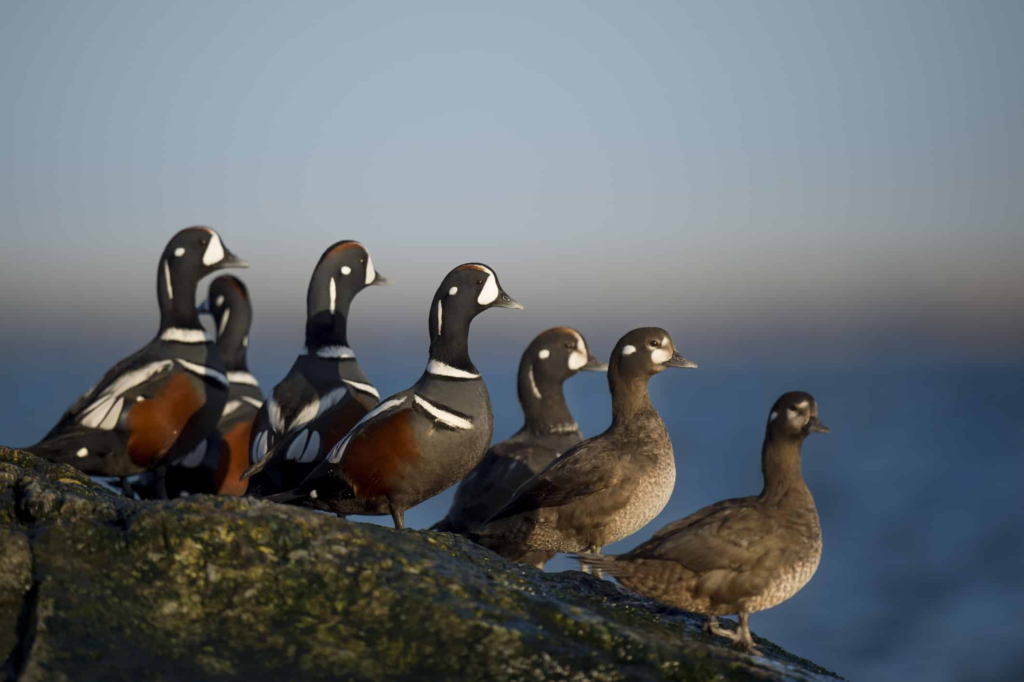
Every fall and winter, the skies above the Sacramento Valley fill with wings. Millions of ducks, geese, and shorebirds pour into California along the Pacific Flyway, turning quiet wetlands into one of the best birdwatching stages in North America. If you love travel that mixes nature, quiet mornings, and a bit of adventure, this region deserves a spot on your list. But there’s a side of this trip that most guides skip over, and it’s worth knowing before you pack your binoculars.
Why the Sacramento Valley Draws Bird Lovers
The valley’s patchwork of rice fields, marshes, and protected refuges creates the perfect rest stop for migrating birds. Places like the Cosumnes River Preserve and the Yolo Bypass Wildlife Area offer close-up views of sandhill cranes, tundra swans, and dozens of duck species. Early morning is the best time to visit, when the light is soft and the birds are most active. Bring a good pair of binoculars, dress in layers, and give yourself at least half a day to explore slowly. Rushing through a wetland trip means missing the best moments.
The valley also rewards visitors who pay attention to seasonal patterns. Water levels, weather, and migration timing can change what you see from one week to the next. Checking refuge updates before heading out can help you choose the best trails and increase your chances of spotting rare or unexpected species.
The Trade-Off Nobody Talks About
Here’s the catch. The same standing water that makes these wetlands a birding paradise also makes them a mosquito hotspot. Flooded rice fields, shallow marshes, and slow-moving sloughs are ideal breeding grounds. If you’re planning a trip in late spring through early fall, this matters more than most travelers realize. That’s why a renowned mosquito control agency, the Sacramento-Yolo Mosquito & Vector Control District (at https://www.fightthebite.net/), keeps close watch on mosquito activity across Sacramento and Yolo counties. Their spray alerts and activity updates are worth checking before you head out, especially if you’re traveling with kids or planning to linger near water at dawn or dusk, which happen to be peak birding hours and peak mosquito hours too.
This doesn’t mean you should cancel your trip. It just means you should plan smarter. Check activity levels for your travel dates, avoid standing near still water for too long without protection, and consider shifting your birdwatching window slightly later in the morning once the sun is fully up. A small adjustment can save you a lot of itching later.
Pairing Your Wetland Trip with Something Bigger
If you have more time, the Sacramento Valley makes a great launch point for a longer California adventure. Many travelers combine a few days of wetland birdwatching with a trip into the Sierra Nevada foothills or beyond. For those chasing a bigger challenge, long-distance trails further east offer a completely different side of the state. Hikers tackling routes like the John Muir Trail often deal with their own mosquito season in the high country, usually peaking a bit later in summer once the snowmelt settles into lakes and meadows. Reading up ahead of time helps you pack the right gear no matter which landscape you’re headed toward.
Whether you’re standing still with binoculars or hiking miles a day, the basics of bug protection stay the same. Cover exposed skin during peak hours, choose breathable long sleeves when you can, and keep repellent handy rather than buried in your bag.
Simple Prep That Makes a Real Difference
You don’t need to overthink your packing list. A few smart choices go a long way:
Wear light colors and loose, breathable clothing, since mosquitoes are drawn to dark colors and body heat. Pack a repellent that actually works for your situation rather than grabbing whatever is on sale. If you want to understand the differences between repellent ingredients like DEET, picaridin, and natural oils, REI’s expert guide to insect repellents breaks it down clearly and explains what works best depending on where you’re headed and how sensitive your skin is.
Time your visit around early morning or late afternoon rather than the hour right at sunrise or sunset, when mosquitoes are most aggressive. And if you’re camping overnight near any of these refuges, a lightweight bug net for your tent entrance can make a huge difference in how well you sleep.
A Trip worth Planning Carefully
The Sacramento Valley offers something genuinely special. Watching thousands of birds lift off a wetland at once is the kind of moment that sticks with you long after the trip ends. It just takes a little extra planning to make sure mosquitoes don’t become the main memory instead. Check local activity updates, pack smart, and time your visit well. Do that, and you’ll get the best version of this trip: quiet mornings, incredible wildlife, and a story worth telling.
California’s wild spaces reward travelers who plan a little ahead. This one is no exception.