
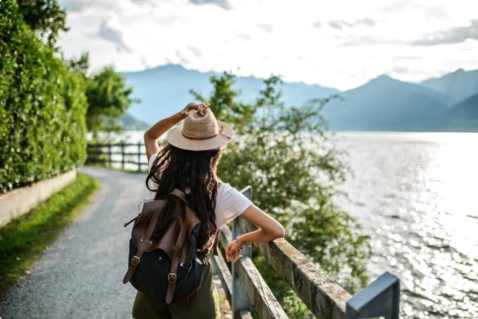
Traveling with friends and family can be wonderful, but there is something uniquely rewarding about exploring the world on your own. A solo trip gives you complete freedom to choose where to go, what to do, and how to spend your time. It can also encourage personal growth, independence, and confidence in ways that everyday routines rarely provide. You learn to make decisions for yourself, adapt to unfamiliar situations, and become more comfortable outside your comfort zone.
Whether it is a weekend getaway or a longer international adventure, taking a solo trip at least once can become an unforgettable experience that changes how you see yourself and the world.
1. You Have Complete Freedom Over Your Plans
One of the biggest advantages of solo travel is having complete control over your itinerary. You do not need to negotiate restaurant choices, sightseeing schedules, accommodation preferences, or activities with anyone else. If you want a relaxing beach vacation or an adventurous getaway involving private charter flights to Exumas, the decision is entirely yours. You can wake up early, sleep late, spend hours exploring a museum, or simply relax without worrying about someone else’s preferences. This freedom allows you to create a trip based entirely on your interests and energy levels. It can also teach you to appreciate your own choices and priorities.
2. Solo Travel Builds Self-Confidence
Traveling alone can push you into situations where you have to rely on yourself. From navigating unfamiliar streets to checking into accommodation and solving unexpected problems, you become responsible for your own decisions. Successfully handling these situations can significantly increase your confidence. Even small achievements, such as figuring out public transportation or communicating despite a language barrier, can feel rewarding. Over time, these experiences show you that you are more capable than you may have realized. The confidence developed during a solo trip can also carry into everyday life, helping you approach professional, social, and personal challenges with greater independence and a stronger belief in your abilities.
3. You Can Discover More About Yourself
Everyday routines often make it difficult to step back and think about what you genuinely enjoy. Solo travel creates space for reflection and self-discovery. Without familiar people influencing your choices, you may discover new interests, preferences, and priorities. You can decide what activities genuinely make you happy rather than choosing something simply because others want to do it. Spending time alone can also help you reflect on your goals and experiences. Whether you discover a passion for photography, hiking, local cuisine, or simply quiet mornings, these discoveries can provide a better understanding of your personality and what you value.
4. You Become Better at Making Decisions
When traveling alone, you are responsible for making nearly every decision. You decide where to eat, which attractions to visit, how to get around, and what to do when plans change. While this may seem challenging initially, it becomes excellent practice for making decisions confidently. Solo travel also teaches you that not every decision needs to be perfect. Sometimes a restaurant may disappoint you or a route may take longer than expected, but you learn to adjust and continue. This ability to make decisions, learn from mistakes, and move forward can become one of the most valuable skills you bring home.
5. You Are More Likely to Meet New People
Solo travelers often find themselves interacting with more people than they would when traveling in a group. When you are alone, you may be more open to conversations with locals, other travelers, tour guides, or fellow guests. These interactions can lead to friendships, useful recommendations, and memorable experiences. You may also become more comfortable starting conversations and connecting with people from different backgrounds. Solo travel does not necessarily mean being lonely. In fact, it can provide more opportunities for meaningful social experiences because you are not always surrounded by familiar companions. Sometimes, the people you meet unexpectedly become an important part of your journey.
6. You Learn to Enjoy Your Own Company
Many people are uncomfortable spending extended periods alone because they are accustomed to constant communication and social activity. Solo travel provides an opportunity to become more comfortable with your own company. You can enjoy a meal alone, walk through a new city, watch a sunset, or spend an afternoon reading without feeling the need to fill every moment with conversation. This can be surprisingly peaceful. Learning to enjoy solitude does not mean becoming isolated; instead, it helps you develop a healthier relationship with yourself. You may return from your trip feeling more independent, relaxed, and comfortable with quiet moments.
7. Solo Travel Creates Lasting Memories
There is something particularly memorable about knowing you experienced an adventure entirely on your own. The challenges you overcome, places you discover, people you meet, and decisions you make become personal stories that stay with you. Solo trips can also encourage you to be more present because you are responsible for experiencing the journey rather than constantly coordinating with others. Years later, you may remember not only the destination but also how you felt navigating it independently. These memories can become reminders of your courage, adaptability, and curiosity. Taking one solo trip may ultimately inspire you to explore many more destinations.