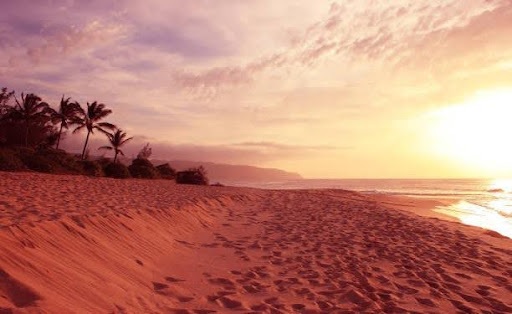
Watching the sun set over the ocean on O’ahu is truly special. The light softens, the colors grow richer, and everything feels calm for a few quiet minutes. It’s a perfect moment to pause, enjoy, and take a photo to remember the beauty.
O‘ahu, an island in Hawaii, is a dream for sunset lovers. Its beaches stretch wide, the skies glow in shades of orange and pink, and the sea looks endless. The island is home to famous spots like Waikiki Beach and Diamond Head, where you can enjoy stunning views. Lush mountains rise in the distance, adding a dramatic backdrop to every sunset.
Many visitors enjoy a stunning sunset cruise in O’ahu, where the light dances on the waves and the skyline turns golden. Whether you’re using a phone or a camera, getting the shot is easier when you know what to look for.
Time It Right
The secret to a good sunset photo is simple: be early. The best colors appear during the “golden hour,” roughly an hour before sunset. The light turns warm and soft, which makes everything look better on camera.
Arrive before the crowd, pick your spot, and get familiar with your settings. Don’t rush; always make sure to follow the safety guidelines. Watch how the light changes. Just after the sun dips below the horizon, the “blue hour” begins, and the sky takes on a deep, peaceful glow that’s perfect for photos.
Find the Best Spot
O’ahu has countless places to shoot, and each one tells a slightly different story.
- Waikiki Beach: Classic and lively. Great if you want silhouettes with the city skyline behind.
- Ko Olina Lagoons: Calm, quiet, and ideal for reflection shots.
- Ka’ena Point: Wild, open, and dramatic, perfect for landscape lovers.
- North Shore: Wide horizons and big waves that add natural movement.
If you want a fresh angle, try taking photos from the water. A boat gives you an open horizon with nothing blocking your view. Remember, the best sunset cruise in O’ahu lets you capture the colors spreading across the sea as the light fades.
Keep Your Settings Simple
You don’t need fancy gear. Even a phone can do the job if you work with the light.
- Keep the ISO low so your photos stay sharp and clean.
- Use a small aperture (around f/8) for crisp detail.
- Tap or focus slightly away from the sun to avoid glare.
- Skip the flash; natural light is enough.
Take a few test shots and adjust as you go. The key is to work with what the light gives you, not against it.
Add a Story to the Frame
The most interesting photos have a little story in them. Don’t just shoot the sun by itself. Add something in the foreground, a palm tree, a rock, a sail, or even someone standing by the water. It gives your photo depth and a sense of place. If you’re on a boat, capture the ropes, the deck, or the edge of the sail. These little details make your photo feel alive and real.
Stay for the Afterglow.
Many people pack up as soon as the sun disappears, but that’s when the real magic happens. Wait ten more minutes. The colors soften and mix pink, purple, and gold across the sky and sea. Those quiet minutes often make the best photos of the day.
Use that time to shoot, or just put your camera down and take it all in. Sometimes the best shot comes when you’re not trying too hard.
Final Key Takeaways
- Get there early to catch the golden hour light.
- Explore different spots: beaches, cliffs, or a sunset cruise.
- Keep camera settings simple and natural.
- Add a foreground story for depth and emotion.
- Stay after sunset to capture the softer, richer colors.