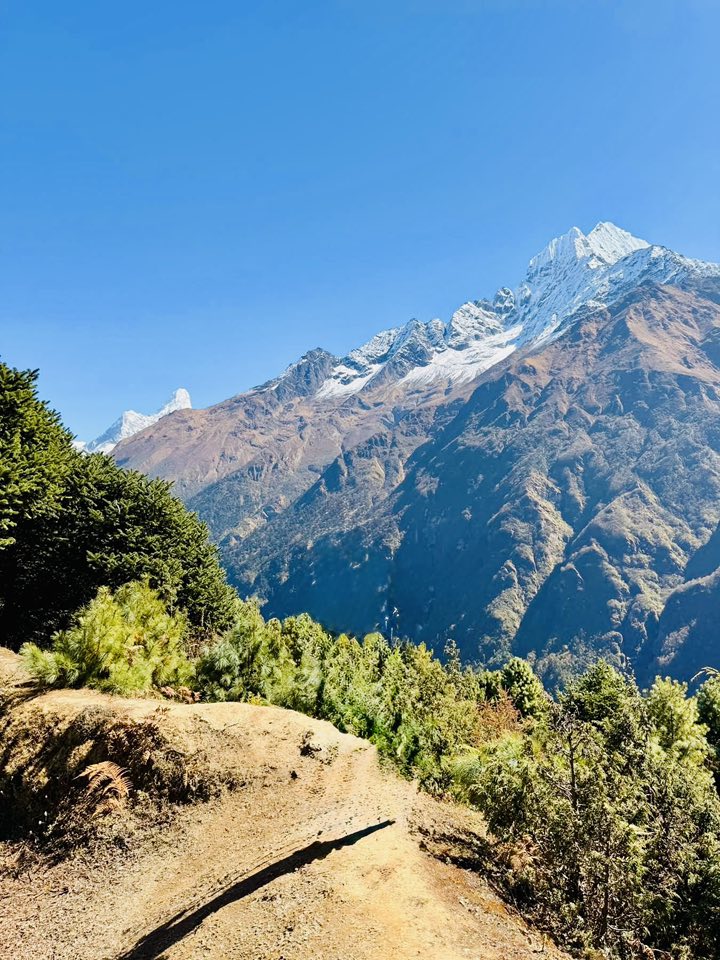
Imagine waking up in a wooden lodge surrounded by snow-tipped peaks, sipping tea as prayer flags flutter in the morning breeze. The air is crisp, the silence deep, but when you reach for your warm socks or flashlight, you’re thankful you packed smart. In the mountains, what’s in your backpack isn’t just luggage, it’s your lifeline.
Mountain lodges, whether tucked away in the Himalayas on the way to Everest Base Camp, the Alps, or the Andes, aren’t like city hotels. There’s no room service, no endless power outlets, and no shops around the corner. Once you leave the last town, every item you carry must earn its place. That’s why smart packing matters, it keeps you warm, comfortable, and ready for the unpredictable moods of high-altitude weather.
This guide will help you pack like a pro for your next mountain lodge adventure, whether you’re trekking to Everest Base Camp, hiking across alpine huts in Europe, or exploring remote lodges in South America. From layering clothes for shifting temperatures to choosing the right footwear, toiletries, and gadgets, you’ll learn how to travel light without sacrificing comfort. So grab your backpack, let’s get you ready for nights in cozy teahouses, alpine huts, and the world’s most breathtaking lodges above the clouds.
Why Smart Packing Matters for Mountain Lodge Trips
Mountain lodge adventures blend the spirit of backcountry trekking with a touch of rustic comfort. Unlike city hotels, mountain lodges require thoughtful preparation, what you pack directly affects your comfort, mobility, and safety, especially when you’re days away from the nearest shop or road.
What Makes Mountain Lodge Travel Different?
Mountain lodges, whether in the Himalayas, the Alps, or the Andes, are remote, high-altitude stays with limited amenities. Don’t expect elevators, heating, or room service. Many lodges have basic facilities: shared bathrooms, minimal electricity, and simple meals.
You’ll also face dramatic temperature swings. It might be sunny at noon and snowing by sunset, especially along the Annapurna Circuit Trek near Thorong La Pass or around Everest Base Camp. Packing for warmth, hygiene, and self-reliance is essential.
And remember, every ounce counts. Many lodges are accessible only by foot, mule, or yak. Overpacking can slow you down or strain your porter’s load. In mountain travel, efficiency equals freedom.
Why Packing Light Improves the Trek
A lighter pack means less fatigue, better balance, and greater agility on uneven terrain. You’ll move faster, adapt to weather shifts easily, and enjoy the journey more. Smaller bags also fit better in compact lodge rooms and reduce clutter.
Packing smart isn’t about deprivation, it’s about precision. Bring what you need, leave what you don’t, and you’ll gain both comfort and confidence on the trail.
Essential Packing List for Mountain Lodges
Mountain conditions demand gear that’s light, versatile, and built for unpredictable weather. Here’s how to prepare.
Clothing: Layer for the Mountains
Mountain weather changes fast, your clothing should adapt.
Core Layers
- Base layer: Moisture-wicking tops and bottoms (merino wool or synthetic)
- Mid layer: Fleece or light down jacket for warmth
- Outer layer: Waterproof, windproof shell
Accessories
- Warm hat and gloves
- Buff or neck gaiter
- Sun hat and UV-protective sunglasses
Pack one trekking outfit and one set of comfortable lodge clothes. Quick-dry fabrics beat cotton every time.
Footwear: Comfort and Grip
- Trail boots: Waterproof with ankle support—break them in before your trip
- Lodge shoes: Slides or sandals for resting feet
- Optional: Insulated slippers for cold evenings
- Socks: 3–4 pairs of merino wool for warmth and odor control
Toiletries: Compact and Clean
High-altitude hygiene is all about simplicity:
- Biodegradable soap/shampoo
- Quick-dry towel
- Toothbrush + small toothpaste
- Hand sanitizer and wet wipes
- Lip balm with SPF
- Sunscreen (SPF 50 recommended)
- Moisturizer for dry mountain air
Tip: Pack everything in a waterproof pouch. Feminine hygiene products and toilet paper are not always available, bring your own.
Documents & Health Essentials
- Passport (plus copies)
- Trekking permits
- Insurance covering emergency evacuation
- Personal medication & first-aid kit
- Painkillers, antihistamines, and anti-diarrheals
- Altitude sickness medication (consult your doctor before use)
Customizing for Different Mountain Regions
Himalayan Teahouse Treks
Himalayan teahouses are cozy but basic. Nights are cold, and power can be unreliable.
Must-haves:
- Down jacket & thermals
- Headlamp & spare batteries
- Power bank (charging may cost extra)
- Water filter or purification tablets
- Cash—no ATMs beyond major towns
- Sleeping bag rated to 0°C or lower
Alpine Huts (Europe)
European lodges are better equipped, with shared dorms and hearty meals.
Essentials:
- Sleeping bag liner (blankets provided)
- Daypack for hut-to-hut hikes
- Trekking poles
- Power adapter (EU plug type)
- Light rain gear
Reservations are usually required, so carry printed confirmations.
South American Mountain Lodges
The Andes range from humid valleys to frozen passes—pack for contrast.
Bring:
- Breathable rain jacket
- Sunblock & wide-brim hat
- Quick-dry clothing
- Buff/scarf for dust and wind
- Cash and water purification tools
Tech and Comfort Add-Ons
Smart Gadgets
- Solar charger or power bank
- GPS-enabled watch or offline map app
- E-reader or tablet for downtime
- Compact camera (optional but rewarding)
Keep cords organized in a small zip case and use airplane mode to save battery.
Lodge Comforts
- Inflatable pillow
- Earplugs and eye mask
- Instant coffee or tea bags
- Lightweight book or journal
These items make rest days feel luxurious without adding bulk.
What Not to Pack
Avoid overpacking, extra weight can drain your energy.
Skip These:
- Multiple outfits (two sets suffice)
- Bulky toiletry kits
- Laptops or drones
- Heavy books (opt for e-reader)
- Cotton clothes
You Can Usually Rent:
- Sleeping bags or blankets
- Trekking poles
- Down jackets
- Basic first aid
Research your route before deciding, many lodges or outfitters offer gear rentals.
Traveler Tips: Wisdom from the Trail
From Seasoned Trekkers
“Always pack a down jacket, even in summer,” says Anna, a trekking guide in Nepal. “Evenings get cold fast.”
“Ziplock bags are lifesavers,” adds Mark from the Tour du Mont Blanc. “They keep everything dry and organized.”
“Test your gear before you go,” advises Emily, a South American trekker. “Nothing’s worse than realizing your boots hurt on day one.”
Common Packing Mistakes
- Overpacking clothing
- Bringing cotton
- Forgetting cash
- Underestimating the cold
- Skipping water purification
Start packing early, give yourself at least a week to gather and test your essentials.
Conclusion:
Packing smart for mountain lodges is all about balance, comfort without clutter. With lightweight, layered clothing, multi-use gear, and the right mindset, you’ll travel farther, rest better, and truly enjoy every lodge along the way.
Before you zip up your bag, ask: “Do I need this, or just want it?”
If it earns a place in your pack, it earns a place in your journey.
Now, lace up your boots, pack light, and get ready for adventure, whether that’s a Himalayan teahouse on the Annapurna Circuit or an alpine hut high in the clouds. To make every journey meaningful, check out this ultimate guide on traveling without compromise.