
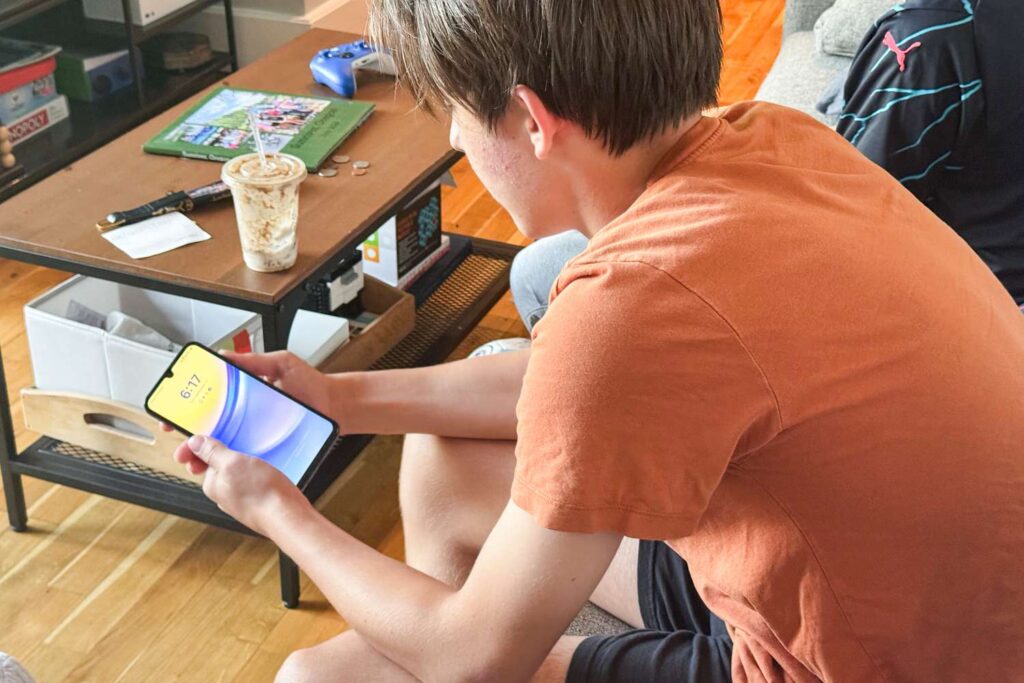
Introducing a child to their first phone is a milestone for both parents and kids. When your family travels, this milestone comes with extra considerations. Parents must balance safety, independence, and practical use while on the move.
A thoughtful approach can make the experience smoother, helping kids learn responsibility while giving parents peace of mind. A first phone can become more than a communication device—it can also be a tool for building independence, especially when exploring new places together.
Assessing Readiness: Is Your Child Ready for Their First Phone?
Age isn’t the only factor when deciding if a child is ready for a phone. Consider their maturity, ability to follow rules, and understanding of digital responsibility. A child who consistently completes homework, respects household limits, and communicates effectively may be prepared to handle the responsibilities of a phone.
Travel can amplify these responsibilities, especially when schedules, public spaces, and unfamiliar environments are involved. Parents should evaluate whether their child can manage both the freedom a phone provides and the safety requirements of travel. Discussing scenarios in advance, such as navigating an airport or checking in at a hotel, can provide insight into readiness.
It’s also helpful to gauge how well your child responds to prior responsibilities. If they have shown consistency in handling small digital privileges, like using a tablet or shared family device responsibly, it may indicate they’re ready for the next step. Preparing children gradually ensures a smoother transition to independent phone use during trips.
Travel-Specific Safety Features
When selecting a phone for travel, safety should be the top priority. Devices that allow parents to monitor location, manage contacts, and control communications offer security without compromising a child’s sense of independence. Features like GPS tracking, emergency contact buttons, and restricted app access make travel less stressful for parents.
Some kid-friendly devices even limit internet access to essential applications, helping prevent exposure to inappropriate content while allowing necessary communication. Families traveling to different regions or using public Wi-Fi may benefit from devices with preconfigured security settings to minimize risk. Focusing on devices that combine simplicity, durability, and essential safety features makes it easier for children to handle their first phone responsibly while giving parents reassurance on the road.
Setting Usage Boundaries While Traveling
Clear boundaries are essential for responsible phone use. Parents should establish rules for when and where the phone can be used, including airports, hotels, and sightseeing excursions. Discussing expectations before the trip begins helps prevent misunderstandings and encourages compliance.
Consider implementing screen-time limits or device-free periods to promote engagement with the environment and family members. Teaching kids to manage notifications, prioritize essential calls, and avoid excessive messaging fosters independence while keeping the travel experience enjoyable.
Reinforcing rules during the trip also provides opportunities to address challenges in real time. For example, if a child forgets to silence their device in a museum or loses track of the phone on a busy street, these moments can become lessons in responsibility and situational awareness.
Choosing the Right Device for Travel
Not all phones are created equal for young travelers. Durability, battery life, and portability are key factors. A lightweight, rugged device can withstand long trips, crowded airports, and outdoor excursions. Parents should also consider water resistance, screen protection, and ease of repair.
Some families prefer simpler devices without social media or addictive games, which encourage safer, more responsible use. Others may choose a smartphone with parental controls to allow essential apps for schoolwork or communication. Regardless of type, the device should fit a child’s maturity level while meeting the practical needs of family travel.
When evaluating devices, parents should consider how easy it is to maintain the phone while traveling. Long-lasting battery life and straightforward charging options reduce stress during transit, while simplicity ensures children can use the device independently without constant guidance.
Teaching Responsibility on the Go
Travel offers an opportunity to teach digital responsibility in real time. Encourage children to manage their own devices responsibly, from keeping them charged to remembering them in public spaces. Discuss privacy, appropriate sharing, and respectful communication so children understand the importance of using their devices wisely.
Modeling these behaviors is equally essential. Parents who demonstrate careful phone use, such as managing notifications and prioritizing meaningful communication, set a standard for children to follow. These lessons are reinforced naturally in travel scenarios, from waiting in lines to navigating new environments.
Providing constructive feedback while on the trip helps reinforce positive habits. Praise children for following rules and gently correct mistakes, ensuring they understand the consequences of misuse. This combination of guidance and autonomy encourages independent, responsible phone use beyond travel situations.
Conclusion: Encouraging Independence While Keeping Kids Safe
Choosing a travel-smart first phone for a child is a balancing act between safety, usability, and independence. By assessing readiness, selecting the right device, establishing clear boundaries, and teaching responsible habits, parents can provide tools that empower their children without compromising security.
With thoughtful preparation, a child’s first phone becomes more than a communication tool—it can serve as a practical companion for exploring the world responsibly and confidently. By integrating lessons in digital responsibility and travel safety, parents can ensure their children grow into independent, aware, and capable travelers.