
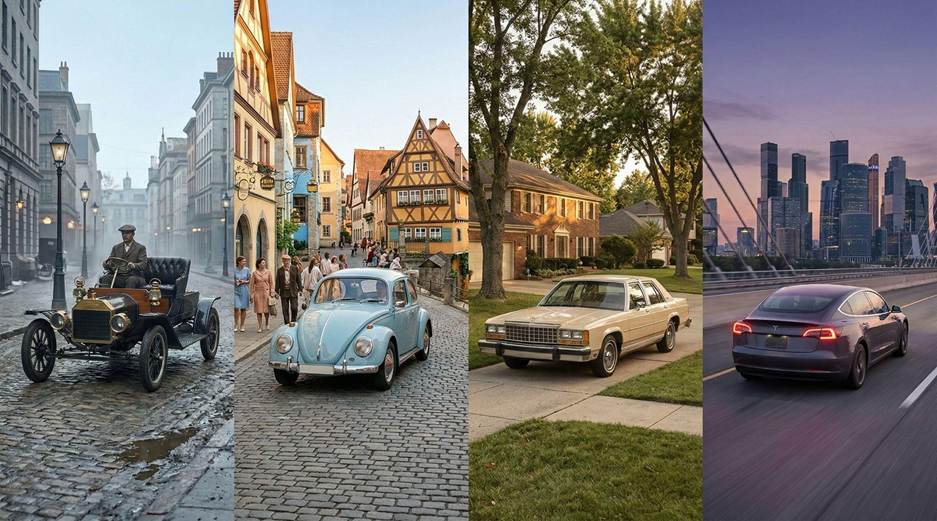
The Car That Wasn’t Impressive — But Meant Everything
Almost no one remembers their first car as glamorous.
It might have had worn seats. It probably had a weak engine. Maybe the paint was fading or the radio barely worked. But that first entry-level car carried something far more important than horsepower — it carried independence.
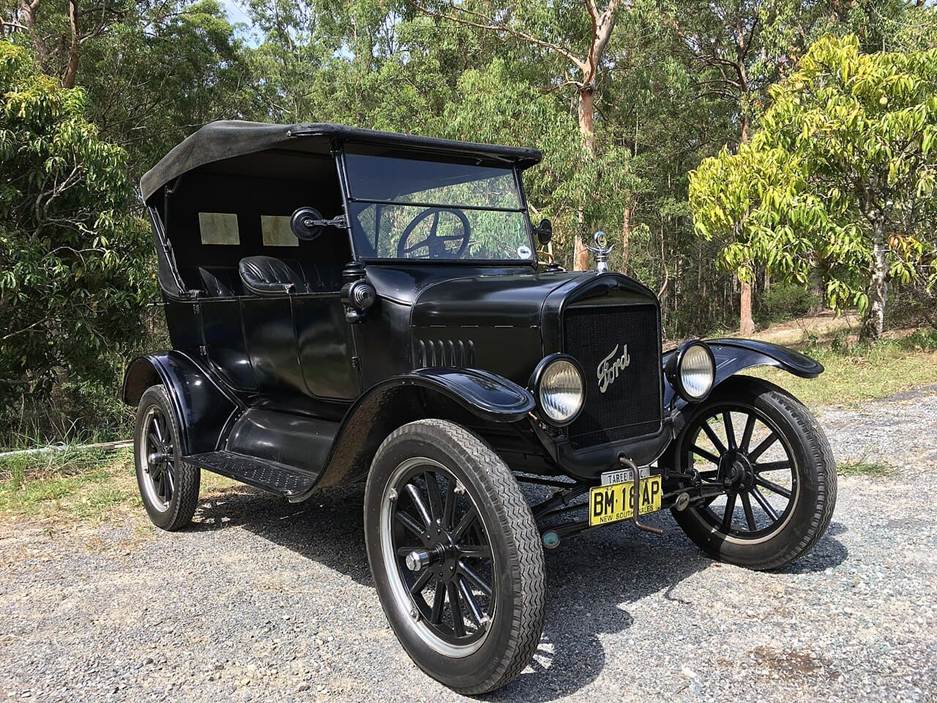
For earlier generations, owning any car at all felt like progress. When vehicles became affordable enough for ordinary workers, everything changed. The Ford Model T is often mentioned in that context, and for good reason. It wasn’t refined or luxurious, but it opened the door to mass mobility. Even today, seeing a Ford Model T Classic Model Car displayed somewhere feels symbolic. It represents the moment driving became attainable rather than exclusive.
That shift shaped entire communities.
Learning to Drive Without Filters
Entry-level cars have a way of teaching drivers the basics. There’s no hiding behind advanced technology or excessive comfort. You feel the steering. You hear the engine strain on hills. You understand what braking distance actually means.
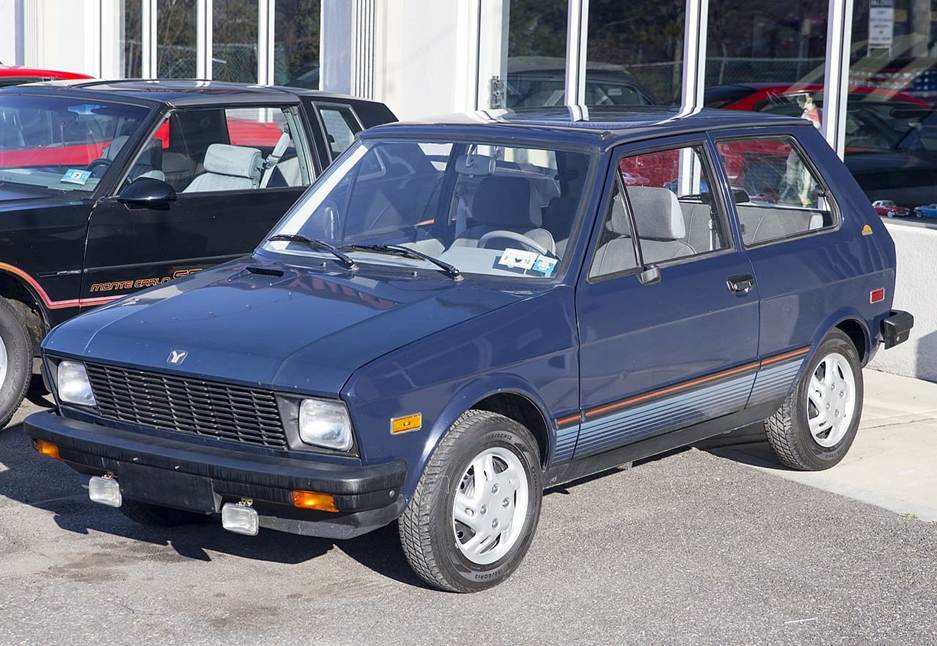
Many drivers in the late twentieth century learned in small, budget-focused cars that were built to keep costs low. Some of them earned mixed reputations, but they were accessible. The Yugo is often remembered as one of the boldest attempts to make driving affordable at nearly any price. Today, spotting a Yugo Model Car can spark jokes or nostalgia, depending on who you ask. But it also reflects a period when manufacturers were trying to stretch affordability as far as possible.
Those cars weren’t about status. They were about access.
And for young drivers, they became classrooms on wheels.
When Practical Became the Priority
As the years passed, first cars started to look different. Instead of tiny hatchbacks, many new drivers began learning in practical family vehicles. Compact SUVs and sensible sedans replaced bare-bones compacts.
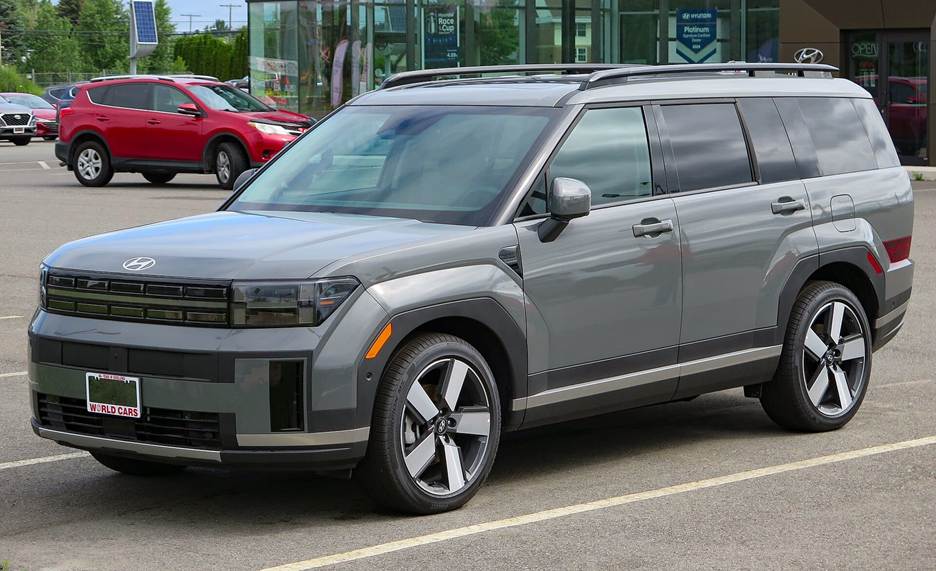
Models like the Hyundai Santa Fe became common in driveways, especially as families searched for reliability without overspending. Over time, Santa Fe Car Models developed a reputation for being practical and dependable — exactly the kind of vehicle that parents felt comfortable passing down to their kids.
Entry-level didn’t always mean the smallest or cheapest anymore. It meant reasonable. Safe. Affordable without feeling fragile.
Confidence Comes From Starting Small
There’s something valuable about beginning your driving life in a modest car. You learn patience. You learn to respect mechanical limits. You develop awareness because the vehicle doesn’t do everything for you.
Drivers who start in simpler machines often carry that discipline forward. When they eventually move on to faster or more advanced vehicles, they understand what the technology is doing — instead of relying on it blindly.
Entry-level cars build instinct.
They also build memories. Late-night drives. First road trips. The quiet satisfaction of earning enough money to pay for fuel or insurance. Those experiences don’t depend on luxury.
Why Entry-Level Cars Still Matter
Modern entry-level vehicles are far more advanced than their predecessors. They include safety systems, improved fuel efficiency, and connectivity features that would have seemed futuristic decades ago. Yet their purpose remains unchanged.
They provide a starting point.
Every generation has its version of the affordable first car. It might look different from the Model T era. It might feel more refined than the experimental budget cars of the past. But emotionally, it serves the same role.
It marks the beginning of freedom.
Long after that first car is sold, scrapped, or replaced, the memory tends to stick. Not because it was powerful or prestigious — but because it was the moment driving became personal.
And that’s something no luxury badge can replicate.