
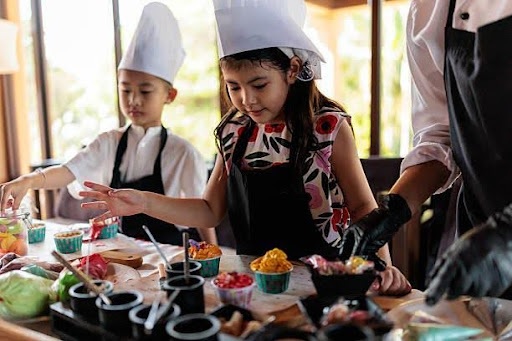
New Orleans is a historic city in southern Louisiana with deep cultural traditions. The city is shaped by music, food, and community life that bring people together, and cooking is one of them. Because food plays such an important role in everyday life, learning to cook becomes more than just a basic skill in this city, especially for the younger generation growing up in this rich cultural setting.
This cultural richness allows kids culinary camps in New Orleans to go beyond teaching recipes, offering opportunities for children to build confidence, responsibility, and social skills through hands-on learning. In these camps, cooking becomes a tool for growth rather than just an activity. Combined with New Orleans’ vibrant culinary traditions, these camps feel especially meaningful, as every lesson is rooted in culture and shared experience.
Confidence Grows Through Hands-On Learning
Cooking allows children to see clear results from their effort. Completing a dish gives them a sense of achievement. That success builds confidence over time. Kids begin to trust their abilities and feel proud of what they create.
Responsibility Develops Through Daily Tasks
Culinary camps teach children to manage real responsibilities. Measuring ingredients, following steps, and cleaning up are part of every session. These routines help kids understand accountability in a practical way. Children see how small actions affect outcomes. Forgetting a step changes the result. This lesson stays with them beyond the kitchen.
Teamwork Becomes a Natural Skill
Most culinary camps rely on group work. Children share tools, divide tasks, and work toward a common goal. They learn how to listen and cooperate. Teamwork becomes a habit rather than a rule.
Communication Improves Through Interaction
Cooking requires clear communication. Kids ask questions, follow instructions, and explain ideas to others. Over time, children become more comfortable speaking up. These soft skills help in school and social settings.
Problem Solving Happens in Real Time
Not every recipe goes as planned. Ingredients may be missing, or steps may be skipped. Kids learn to adapt and think quickly. Problem-solving becomes part of the learning process instead of a setback.
Academic Skills Are Strengthened Naturally
Cooking involves math and reading without feeling like schoolwork. Children measure ingredients and read instructions carefully. These tasks reinforce basic academic skills. Learning feels practical and engaging. Kids understand why accuracy matters.
Creativity Is Encouraged Without Pressure
Culinary camps allow kids to experiment with flavors and presentation. There is space for personal choice and expression. Children learn that creativity does not need perfection. Trying new ideas becomes enjoyable.
Patience and Focus Improve with Practice
Recipes require timing and attention. Kids must wait, observe, and follow the steps in order. This process builds patience. Focus improves as children stay engaged from start to finish. Over time, they learn that good results come from careful effort and steady practice.
Cultural Awareness Grows Through Food
Food introduces children to different traditions and stories. Many camps explore dishes from various cultures. Kids gain respect for diversity. Food becomes a way to understand the world. It also helps them appreciate how people from different backgrounds celebrate and connect through meals.
Skills Extend Beyond the Kitchen
The lessons learned in culinary camps apply to daily life. Confidence, responsibility, and teamwork show up at home and school. Programs like a kids culinary camp in New Orleans help children grow in lasting ways. Parents often notice positive changes after camp ends.
Why Parents Value Culinary Camps
Parents appreciate the practical benefits of culinary camps. Kids become more independent and eager to help at home.
Common benefits include:
- Increased confidence and self-belief
- Better cooperation with peers
- Improved focus and patience
- Useful life skills are practiced daily
These changes build gradually.
Choosing the Right Culinary Camp
Not all culinary camps offer the same experience. Parents should look for programs that balance fun with skill-building.
Important factors to consider include:
- Age-appropriate activities
- Supportive and experienced instructors
- Small group sizes
- A focus on learning, not competition
The right camp makes a real difference.
Key Takeaways
- Culinary camps teach skills that go beyond cooking
- Confidence grows through hands-on success
- Teamwork and communication develop naturally
- Problem-solving improves through real experience
- Creativity and cultural awareness are encouraged