
First-time visitors often arrive in the United Kingdom with a long list of places they hope to see, then realize the country has more variety than expected. Cities, coastal areas and historic towns each offer their own rhythm, which makes early planning feel more relaxed when grouped around general themes rather than strict day counts. Travelers usually find that a few anchor cities set the pace, and additional stops fall into place once those core areas are chosen.
London for Landmarks and City Comfort
London tends to give visitors a familiar base, since its transport connections link airports, neighborhoods and routes that reach other parts of Great Britain. Early days often work best with simple routes. A slow walk near the Thames introduces plenty of recognizable sites, and casual detours lead to spots like Big Ben or views of Parliament. Some travelers choose to enter Westminster Abbey to see memorials, royal tombs, and the calm interior that contrasts with the busy streets outside.
Afternoons often feel easier when planned around large parks. Hyde Park offers open lawns, quiet corners, and paths suited for anyone adjusting to the city’s pace. Kensington Palace sits nearby and the area surrounding it brings a steady mix of shops, cafés, and residential streets. Those who enjoy film references sometimes head to Notting Hill later in the day, since the neighborhood’s rows of terraced homes and market stalls support relaxed wandering without fixed plans.
London also hosts experiences tied to popular culture. A trip to the Harry Potter Studio lets visitors see sets, costumes, and props from the films. Some travelers pair that visit with a ride on the Hogwarts Express display inside the exhibit. Evenings in London work without strict scheduling, since theaters, pubs and riverside areas operate late and rarely feel rushed, giving visitors a chance to travel without compromise.
Oxford and Cambridge for Academic History
A thematic itinerary often includes at least one university city. Oxford University attracts those who enjoy college architecture, libraries, and quiet quadrangles. Short guided walks move through central streets and show details the casual visitor might overlook. Bookshops, cafés and courtyards create an easy rhythm for a half-day visit.
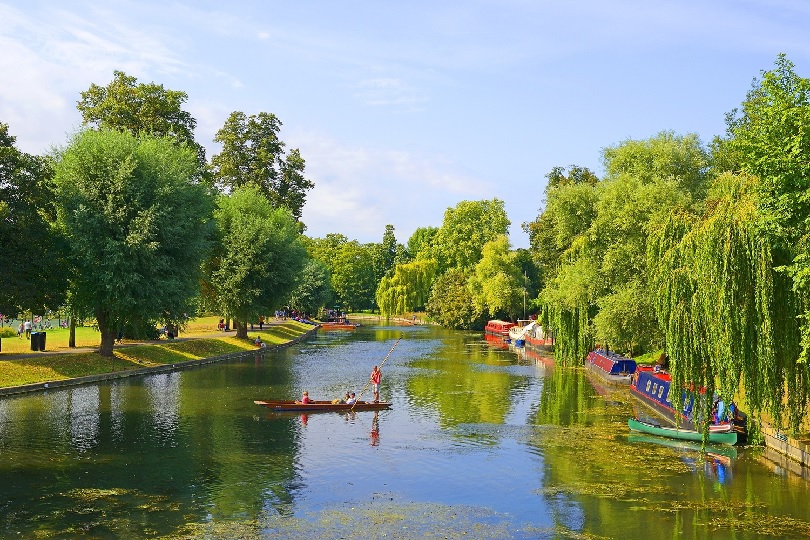
Cambridge offers a different style of experience. People often plan for time on the river, since moving through the water gives a calmer view of college buildings. When visitors feel unsure about arranging their own boat hire or dealing with balancing on narrow punts, punting tours of Cambridge tend to solve that hesitation. Guides handle the steering and share local stories, which helps guests focus on the scenery and the slow movement along the River Cam. A walk afterward through lanes, bridges, green spaces, and areas near Trinity College rounds out the visit.
Train travel between London and either university city rarely takes long. Departures run often and major train stations remain easy to spot on maps, so day trips fit naturally into short stays.
Windsor, Palaces and Royal Heritage
Travelers interested in royal history may choose to visit Buckingham Palace and other places near London before shifting attention north. Windsor Castle draws steady interest because it reflects centuries of ceremonial life. Visitors can see State Apartments, courtyards, and sections of the precinct that tie modern events to an older lineage.
London itself also holds stories linked to royal life beyond palaces. Streets surrounding Kensington Palace show traces of older residential patterns, and neighboring districts often appear in films, books, and historical accounts. Each area has its own atmosphere, so walking without a tight plan helps visitors find quieter corners.
Those who want to keep moving sometimes reach Greenwich for maritime history or Richmond for riverside walks. These stops fill out a thematic itinerary without repeating the same museum experience each day.
Scotland for Castles, Culture, and Broader Horizons
Scotland gives travelers a different setting and pairing cities makes the experience feel balanced. Edinburgh introduces steep streets, stone buildings and layered viewpoints. A visit to Edinburgh Castle places travelers above the city, offering a sense of the surrounding hills and coastline. Sections of the Old Town highlight medieval street patterns, while the New Town displays Georgian architecture shaped during the eighteenth century.
Glasgow brings a contrasting energy. The University of Glasgow has a cathedral-like main building that appeals to travelers who enjoy academic settings. Parks, museums, and music venues spread across the city, creating plenty of options for varied interests. Those who want a view outside the urban center sometimes go to the Wallace Monument near Stirling, since it sits on a hill with wide views across the region.
Food becomes a memorable part of Scottish travel. Visitors often try Scottish cuisine during pub meals or market stops, which adds variety to days spent moving between historical sites and modern attractions.

Day Trips, Literature and Cultural Touchpoints
Some travelers extend their route with short trips linked to literature and film. Stratford-upon-Avon remains connected to William Shakespeare, and the town’s theaters, houses, and guided walks often appeal to those who enjoy English literature. Anyone curious about rail history or scenic routes sometimes seeks out trains featured in films, and some plan side trips toward areas near Loch Ness during longer stays.
Artists, writers, and filmmakers have drawn from settings across England and Scotland. Visitors often explore places such as the British Museum to trace those influences. Visitors who enjoy structured sightseeing often pick one or two locations tied to familiar stories and fit them between larger city stops. The pace stays flexible and avoids the pressure of overscheduling.
Conclusion
A first trip to the United Kingdom often feels more manageable when organized around city themes, cultural interests and short-distance links between regions. London anchors the start, while Oxford, Cambridge, and Windsor extend the historical thread. Scotland adds another dimension through its architecture, food traditions, and landscapes. Each destination contributes its own character and moving through them at a steady pace helps travelers form a complete and memorable introduction to the country.