
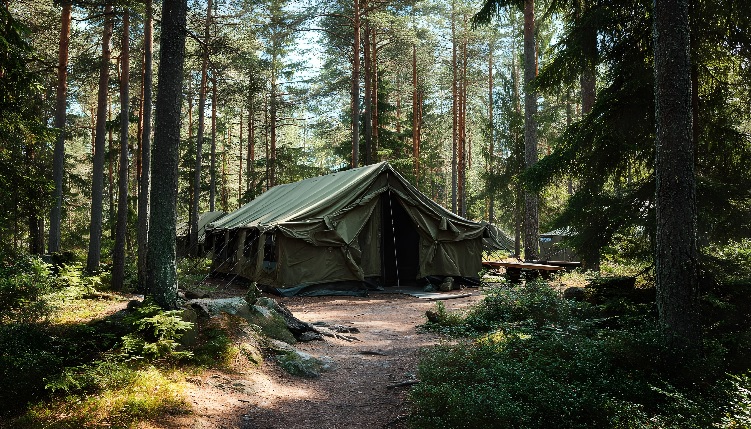
Extreme travel conditions expose weaknesses fast. Weather turns harsh. Ground conditions shift. Time windows shrink. In these settings, shelter problems become safety problems. Tactical shelters exist to handle those realities. They provide fast, stable protection when standard shelter options fail to hold up.
When Travel Conditions Push Beyond Standard Shelter
Not all environments allow for simple setups. Remote locations often bring strong winds, heavy rain, snow, or extreme heat. Terrain can be uneven or unstable. In many cases, there are no roads, power sources, or permanent buildings nearby.
On top of that, teams often need to move quickly. Delays increase risk. When conditions change without warning, shelter must work right away and keep working without constant fixes.
Why Tactical Shelters Exist at All
Tactical shelters are built for situations where failure causes real disruption. They are not modified camping tents. They are purpose-built systems meant to support people and operations at the same time.
Inside these shelters, teams sleep, plan, treat injuries and maintain equipment. Outside, conditions may be harsh or unpredictable. The shelter bridges that gap and creates a stable working space.
Structural Design That Holds Up Under Stress
Strength starts with the frame. Truss-style frame systems spread weight evenly and reduce stress on connection points. This helps shelters stay upright during strong winds or heavy snow.
Soft-wall systems work well for short deployments, but over longer periods, fabric-based shelters can struggle with repeated exposure, temperature swings and impact risk. In situations where durability and long-term use matter more, teams often look to a rigid wall shelter to gain stronger insulation, better structural protection, and improved control over interior conditions.
Materials matter as well. Combat tent and tactical tent designs use reinforced fabrics that resist tearing and stretching. Over time, that durability reduces repairs and keeps shelters functional longer.
Speed and Setup in Remote Environments
Setup time often happens when conditions are already poor. Cold, heat, wind or low visibility can slow everything down. Faster setup reduces exposure and helps teams get under cover sooner.
Rapid deployable systems limit the number of steps needed. Fewer parts mean fewer mistakes. That matters when crews are tired or working under pressure.
Pre-Assembled and Ground Deployable Options
Some systems arrive as a pre-assembled shelter. These designs allow crews to raise structures quickly with minimal effort. Others are ground deployable and do not rely on heavy machinery.
Both options support faster staging. They also allow teams to adapt when tools or equipment are limited.
Managing Heat, Cold, and Airflow Inside the Shelter
Shelter only helps if conditions inside stay manageable. Poor airflow leads to moisture buildup. Temperature swings affect comfort and focus. Over time, those issues impact health and performance.
Environmental control systems address these problems. They regulate airflow, manage heat and limit condensation. That stability allows teams to operate longer without added strain.
Power, Ventilation, and Interior Layout
Expeditionary shelters support heating, cooling and ventilation units designed for mobile use. These systems work together to keep air moving and temperatures steady.
Interior layout plays a role too. Separating sleeping areas from work zones reduces noise and heat buildup. Dedicated space for equipment keeps pathways clear and work areas organized.
Tactical Shelters as Working Spaces, Not Just Cover
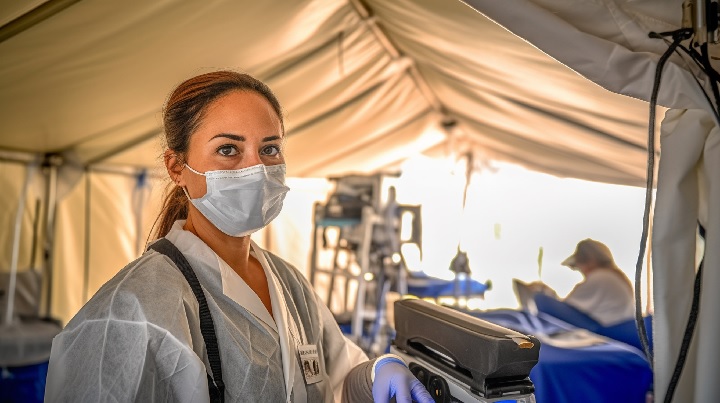
Shelter in extreme travel settings serves a larger purpose. It supports daily operations, not just rest. As a result, these systems often become the center of activity in remote locations.
Inside, teams coordinate tasks, manage supplies, and plan next steps. Outside conditions may shift, but work continues.
Command and Coordination Functions
Many shelters function as command posts. They house communication systems, tracking tools and planning areas. The controlled environment allows teams to stay focused even during storms or long nights.
Reliable shelter also improves decision-making. When teams are dry, warm, and organized, work moves faster and errors drop.
Medical and Equipment Support
Tactical shelters often support field hospitals and maintenance areas. Medical teams need clean, controlled space. Equipment crews need room to inspect and repair gear.
Flexible layouts allow shelters to switch roles as needs change. One day the space supports medical care. The next, it becomes a repair or staging area.
Modular Systems That Grow or Shrink With the Mission
Not every operation stays the same size. Some expand. Others scale down. Modular general purpose tent systems allow shelters to adapt without starting over.
Multiple units connect to form base camps or turnkey base camps. Layouts change based on team size and mission length.
- Separate modules for living, work, and storage
- Shared power and airflow across connected units
- Layout changes without full teardown
This flexibility keeps operations moving while reducing downtime.
Fully Relocatable Shelter Systems
Movement is common in extreme travel. Conditions shift. Routes change. Fully relocatable shelters allow teams to move without abandoning infrastructure.
Shelters pack down, transport easily and set up again at the next location. That continuity saves time and limits waste.
From Small Units to Full Basing Equipment
Small shelter systems work well for short deployments or fast-moving teams. As operations grow, those systems expand into full basing equipment setups.
Larger military shelter system configurations, a market that’s projected to reach USD$ 1.37 billion by 2032, support longer stays while keeping mobility intact.
Controlled and Specialized Shelter Uses
Some environments require strict control. Tactical shelters support detainee facilities and restricted zones where separation and access matter.
Design features help manage visibility, movement and security. At the same time, airflow and environmental control remain in place, even in isolated settings.
Conclusion
Extreme travel leaves little room for error. Tactical shelters address that reality through strength, speed and adaptability. They protect people, support operations, and move when conditions demand it. In places where standard shelter falls short, these systems provide the stability needed to keep work going.