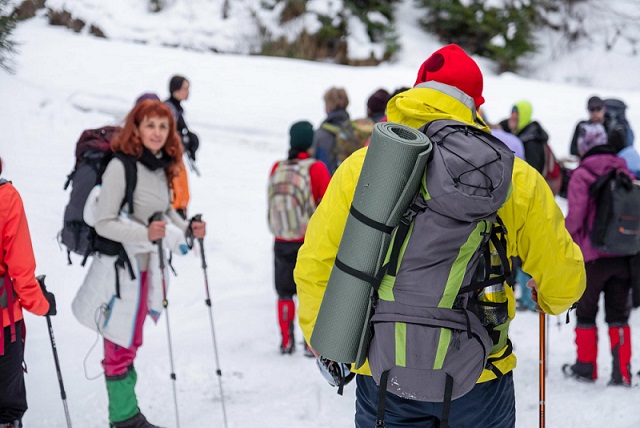
Packing for a snowshoeing trip in Lake Tahoe means layering up, staying waterproof, and carrying the right gear for snowy mountain terrain. The essentials fall into a few clear categories: clothing, safety items, and trail supplies.
Lake Tahoe sits at elevations ranging from 6,200 to over 10,000 feet, with heavy snowfall and rapidly changing weather. Trails like Emerald Bay and Spooner Lake are popular starting points for those new to the sport.
If you’re exploring agencies providing snowshoeing for beginners in Tahoe, that is great, but first get yourself some basics on what to pack from the start, which can make all the difference in staying safe, comfortable, and confident on the trails.
This guide covers everything you need to pack for a smooth and enjoyable snowshoeing experience.
Clothing: What to Wear on the Trail
Layering is the foundation of staying warm and dry in Lake Tahoe’s winter conditions. Temperatures can shift quickly, so your clothing needs to work together as a system. The three core layers each serve a specific purpose.
Base Layer
Your base layer manages moisture and keeps sweat away from your skin. Choose synthetic or merino wool materials, never cotton. Cotton holds moisture and causes rapid heat loss in cold weather.
Mid Layer and Outer Shell
A fleece or insulated mid-layer traps body heat during rest stops and slower sections of the trail. Your outer shell should be fully waterproof and wind-resistant. Look for sealed seams and adjustable cuffs to keep snow out.
Accessories
Pack these items before leaving for the trailhead:
- Wool or fleece beanie
- Waterproof insulated gloves or mittens
- Neck gaiter or balaclava
- Moisture-wicking thermal socks (bring a spare pair)
- Waterproof gaiters to keep snow out of your boots
Footwear and Snowshoe Fit
Winter hiking boots should be insulated, waterproof, and ankle-supportive. They need to fit your snowshoe bindings securely without extra bulk. Try your boot-and-snowshoe combination before heading out to avoid blisters or loose fittings on the trail.
Snowshoe size depends on your body weight plus the weight of your pack. Most rental shops in the Tahoe area will help you select the right frame size. Poles with snow baskets are strongly recommended for balance on uneven terrain.
Safety and Navigation Gear
Lake Tahoe’s backcountry trails can be remote, and conditions change fast. Carrying basic safety items is not optional. The sections below cover what belongs in your pack before you step onto any trail.
Must-Have Safety Items
Even well-marked trails can become disorienting in low visibility or heavy snowfall. Always prepare for the unexpected when snowshoeing in mountain terrain.
- Headlamp with extra batteries
- Whistle and emergency mylar blanket
- Trail map and compass (do not rely solely on phone GPS)
- Fully charged phone in a waterproof case
- Small first aid kit
Food, Water, and Pack Essentials
Fueling your body properly on a winter hike is just as important as your clothing and gear. Cold temperatures increase calorie burn, and dehydration can sneak up on you quickly at altitude. The items below cover hydration, energy, and a few final pack additions.
Hydration
Cold air reduces your sense of thirst, but your body still loses fluids through exertion and breathing. Carry at least 2 liters of water in an insulated bottle to prevent freezing. Hydration bladder hoses can freeze in sub-zero temperatures, so insulated covers are a useful addition.
Snacks and Fuel
High-energy snacks keep your body temperature up and your energy steady. Pack calorie-dense options that will not freeze solid.
- Trail mix, nuts, and dried fruit
- Energy bars
- Sandwiches wrapped tightly to retain warmth
Daypack Checklist
A few final items round out a well-prepared winter pack for snowshoeing for beginners in Tahoe trails.
- Sunscreen (UV exposure is stronger at elevation)
- Sunglasses with UV protection
- Trekking poles
- Extra layers in a dry bag
- Hand warmers
Key Takeaways
- Layer with a moisture-wicking base, an insulating mid layer, and a waterproof shell.
- Waterproof boots with a proper snowshoe fit prevent discomfort and injury.
- Always carry navigation tools and basic safety items on Tahoe trails.
- Pack at least 2 liters of water in an insulated container.
- High-calorie snacks maintain energy and body heat during the hike.
- Sunscreen and UV-rated sunglasses are essential at high elevations.
- Well-marked beginner trails in Tahoe are ideal for testing your gear before tackling harder routes.