
Introduction
AI has transformed the way marketers create video ads. What used to take days or even weeks can now be done in just a few minutes using the best AI video generators. You can produce high-quality, attention-grabbing video ads without needing a full production team or a big budget.
But even with all that power, your job isn’t done once the AI finishes its part. Editing AI-generated video ads still requires a careful eye. You need to make sure the message is clear, the visuals match your brand, and the final version actually connects with your audience.
In this blog, we’ll go over the most important do’s and don’ts when editing AI-generated video ads. These tips will help you sharpen your content, improve performance, and make sure every ad you put out feels polished and impactful.
Do: Focus on Clarity
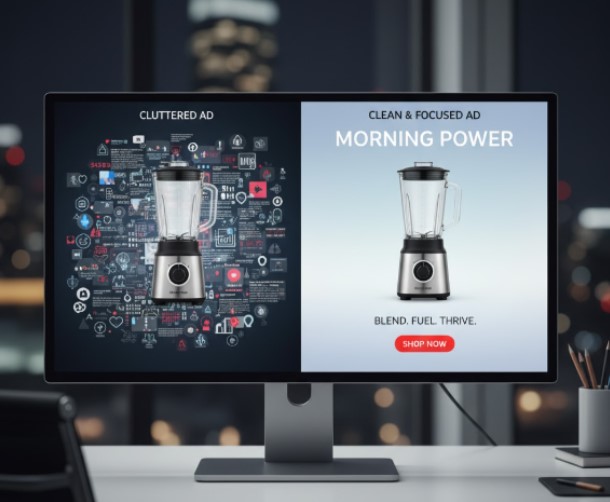
One of the most important principles in video ads editing is clarity. AI tools can generate beautiful, dynamic visuals, but it’s easy to get carried away with excessive animations, flashy transitions, or unnecessary effects. These can often detract from the main message of your ad.
A good video ad should convey its message within the first few seconds. The viewer should immediately understand what the ad is about, what problem it solves, and why they should care.
How to ensure clarity:
- Keep the script simple and direct. Avoid using too much jargon or complex language. Your message should be clear even to someone who knows nothing about your product.
- Limit the number of scenes. If your ad covers too many angles or product features, it can become overwhelming. Stick to the essentials.
- Use on-screen text effectively. AI tools can easily add text overlays to your videos. Keep the text short and easy to read, ensuring that it reinforces your message.
Tip: Cut any unnecessary fluff and focus on the core message. Less is often more when it comes to video ads. A clean, straightforward ad will leave a stronger impact on your audience.
Don’t: Overuse Effects
It’s tempting to go overboard with AI-powered effects and transitions. After all, AI can generate beautiful animations and dynamic visual effects in no time. But it’s important to remember that flashy effects should enhance, not distract from, your message.
Why too many effects can be detrimental:
- Distraction: Too many transitions or complex effects can confuse your audience or pull focus from the main point.
- Clutter: Excessive effects can clutter the video, making it harder for the viewer to absorb the message.
- Lower quality: If overused, effects can make your video look overly stylized, detracting from the professional image you want to portray.
How to use effects effectively:
- Choose effects that complement the message: For example, smooth transitions between product features or using animation to highlight key points can be very effective.
- Keep it subtle: Opt for subtle effects that enhance the video’s flow rather than ones that compete for attention.
- Don’t overdo it with transitions: Stick to one or two types of transitions throughout the video ads, and use them sparingly to maintain a smooth flow.
Tip: Stick to effects that enhance storytelling, not ones that overshadow it. A polished, simple edit often works better than an overly flashy one.
Do: Optimize for Mobile
In today’s digital age, most video ads are viewed on mobile devices, particularly on platforms like Instagram, Facebook, and TikTok. According to recent statistics, over 80% of video content is consumed on mobile devices. Therefore, it’s essential to optimize your video ad for mobile viewing.
Why mobile optimization matters:
- Small screen size: Mobile screens are smaller, so your text and visuals need to be clear and easy to read. Tiny text or cluttered scenes won’t translate well.
- Mobile user behavior: Mobile viewers tend to watch videos in vertical orientation, so your video should be formatted for this type of view.
How to optimize for mobile:
- Use large, bold text: Ensure that your text is easy to read on small screens. Avoid overly detailed text, and focus on impactful headlines and short captions.
- Consider video length: Mobile viewers often prefer shorter videos. Keep your ad within 15 to 30 seconds to hold attention and maximize engagement.
- Vertical format: For platforms like Instagram Stories, TikTok, and YouTube Shorts, create videos in a vertical format (9:16 aspect ratio) to ensure they fit the screen perfectly.
- Avoid heavy details: While details may look great on a larger screen, they tend to get lost on mobile devices. Focus on high-impact visuals that are easy to absorb quickly.
Tip: Use large text and simple visuals that are easy to see on mobile. Mobile-optimized videos tend to have higher engagement rates.
Don’t: Forget the Call-to-Action (CTA)
A strong call-to-action (CTA) is essential for guiding viewers to the next step, whether it’s making a purchase, signing up for a newsletter, or visiting your website. AI-generated videos can create stunning visuals, but without a clear CTA, the ad is incomplete.
Why a CTA is crucial:
- Guides the viewer’s next step: Without a CTA, viewers may be left wondering what action to take next. Your CTA should clearly tell them what they should do after watching the video.
- Increases conversion rates: Video ads with CTAs lead to higher conversion rates because they direct viewers towards a clear, actionable outcome.
How to incorporate an effective CTA:
- Be clear and direct: Your CTA should tell viewers exactly what to do. Instead of vague phrases like “Learn More,” use something more compelling like “Shop Now” or “Get 20% Off Today.”
- Position the CTA strategically: Include the CTA at the beginning and end of the video, with a reminder in the middle if the video is longer.
- Make the CTA visually distinct: Use contrasting colors or animation to make the CTA stand out from the rest of the video.
Tip: Always end your video ad with a compelling CTA that directs the viewer on what action to take. Without a strong CTA, even the most creative video ad can fall flat.
Do: Test and Iterate
One of the biggest advantages of AI video tools is that they allow you to experiment quickly. Don’t settle for the first version of your video, test different variations to see which one performs best.
How to test and iterate:
- A/B test different versions: Try variations in the video’s copy, visuals, or CTA. This will help you determine what resonates most with your audience.
- Use analytics tools: After publishing your video, use analytics to track performance. Look at metrics like engagement rate, click-through rate (CTR), and conversion rate to measure success.
- Refine your approach: Based on your analytics, refine your videos to make them even more effective. For example, if one version of the video has a higher CTR, you can tweak the other videos to match that winning formula.
Tip: Don’t be afraid to experiment and refine your video ads. The more you test and iterate, the more effective your campaigns will become.
Don’t: Ignore Branding
Even though AI makes it easier to create videos quickly, it’s essential to maintain consistent branding throughout your video. Whether it’s the color scheme, logo placement, or tone of the message, your video should align with your brand’s identity.
Why branding matters:
- Consistency: Consistent branding across all ads helps reinforce your brand identity and makes your content more recognizable.
- Professionalism: A video that looks professional and aligns with your brand will build trust with your audience.
How to maintain branding consistency:
- Use your brand colors and fonts: Ensure that the video uses your brand’s color scheme and fonts to maintain visual consistency.
- Add your logo: Always include your brand’s logo, but avoid placing it too prominently. It should be visible without overwhelming the video.
- Maintain the tone of voice: The tone of the video (whether friendly, professional, or humorous) should match your brand’s personality.
Tip: Make sure your video aligns with your overall brand strategy to reinforce your identity and create a more cohesive user experience.
Conclusion

Editing AI-generated video ads is a balancing act. By following these do’s and don’ts, you can create videos that are not only visually stunning but also effective at driving engagement and conversions. Focus on clarity, simplicity, and a strong CTA, while avoiding overused effects and maintaining a clear brand identity. With the right approach, AI-generated video ads can significantly enhance your marketing efforts and deliver high-quality results.