
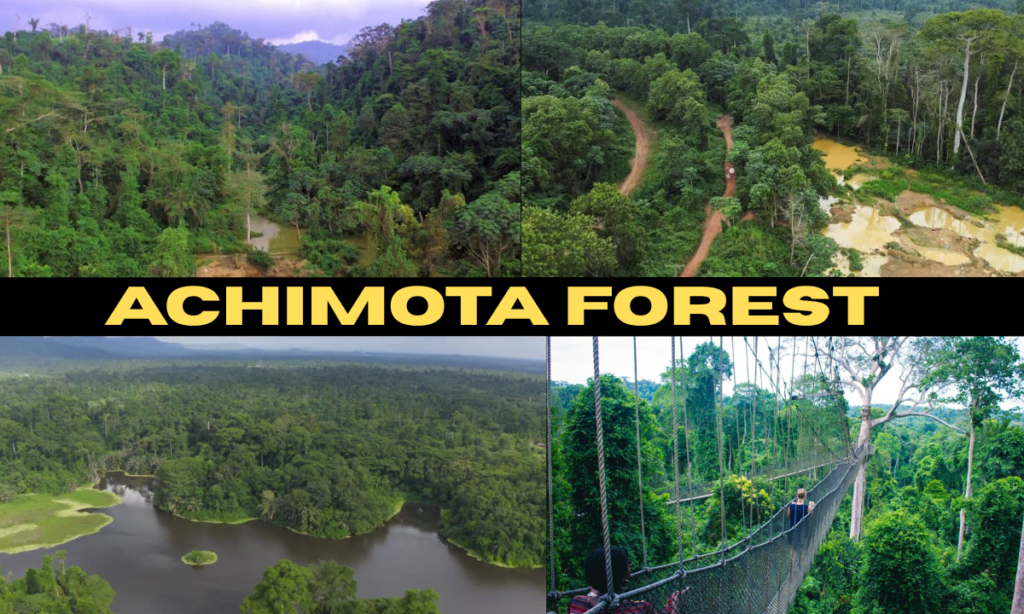
Achimota Forest is one of the most well-known Green Spaces accra in Ghana. Located near Achimota, this forest reserve has been critical since the 1800s due to its forestry, fauna and flora as well as an educational resource and ensuring a green buffer in one of Africa’s fastest growing cities.
The forest is more than a clump of trees. We draw parallels between its historical associations with the establishment of Achimota and wider Accra, how in addition to this it has entered into discourse based around notions such as urban conservation, biodiversity and sustainable development.
For tourists, Achimota forest can be an opportunity to have a natural nature scene from the chaotic streets of Accra. It is also conveniently located, making it an easy option for people who want to enjoy nature and the great outdoors but do not have much time or are unwilling to travel far out of town.
What Is Achimota Forest?
Achimota Forest is linked to the Achimota Forest Reserve and it constitutes a significant fragment of Accra’s residual natural pattern.
The woodland supports diverse flora and hosts birds, insects, small mammals reptiles other wildlife. Its trees also provide shade, as well as carbon sequestration and improved air quality and temperature maintenance.
The forest has significance other than tourism, because of its urban location. It is an essential piece of wild ground in a city experiencing continuing development pressures and encroachment on the land.
Achimota Forest Location
Achimota Forest is located in the Greater Accra Region of Ghana, near to the Achmota area of accra. Located close to medium-sized highways and important institutions, making it one of the more accessible natural areas in the capital.
Both its popularity and the difficulty of conserving it are partly due to this location. Development has approached upon areas which before were separated from the city by larger stretches of natural land as Accra expanded.
With all the plant species, animals and creatures found in it have made this forest being close to Achimota (the neighbourhood) as far a great attraction for nature lovers, environmental education people or teacher or students who want photographs of plants indoors.
Achimota Forest History
Achimota Forest is intertwined with the development of the wider Achimota area and the establishment there in 1927–28, among other institutions, of what became known as ‘Achimota School’.
It remained a natural area in part due to its value as an environmental and educational tool. Nambo lies in a climate that is mild for tropical regions, it was eventually noticed as significant timber save inside the Greater Accra scene.
Its past also mirrors a larger plight of urban forests throughout the world. Research Summary: As cities continue to expand (both in population and geographical extent), naturally vegetated areas become more desirable; however, they are often subject to pressure from construction of buildings, infrastructures or other developments.
Achimota Forest today still features in discussions about Ghanas environmental legacy and the balance between development and conservation.
Achimota Forest Size and Area
Achimota Forest has been a forest for many years now, however across all these periods the size of Achimota Forest was reported in numerous references and this number may vary due to differences in how the boundaries of the forests have been described.
The extent of the forest reserve was considerably more than that which can be accounted for today by some remnants of natural woodland associations. This has caused changes in the reserve surroundings due to urban expansion and other land use modifications.
Thus, total area figures should be viewed with caution especially when discussing historical boundaries in comparison to the forest environment today.
Achimota Forest Ecosystem and Natural Environment
The Achimota Forest is categorized as an urban whole forest ecosystem located among one of the largest metropolitan areas in Ghana. The world is a natural living system composed of trees, grasses and shrubs, soil organisms the insects and other animals.
The forest serves numerous ecological purposes such as:
- Habitat provision for wildlife
- Biodiversity support
- Betterment of local air quality
- ○ Collects carbondioxide
- Protection from sun, heat reduction
- The following are the benefits of cover crops: · Assist in soil erosion protection
- Promoting environmental education
- Forming an organic topography into Accra
Its ecological significance becomes especially crucial as natural open spaces are becoming harder to find in our densely built cities.
Flora and Vegetation of Achimota Forest
Achimota Forest is home to trees, shrubs, grasses and other plant species that are adapted for the local climate.
Some parts of forest are dense with trees, and in other areas more open vegetation. Diverse plant types The diversity of Plant Types provides homes for insects, birds and animals.
The flora has many practical advantages to the environment as well. They reduce direct sunlight, provide shelter for wildlife and play a significant role in creating a cooler microclimate.
Plant diversity is thus important for the forest’s ecology as a whole.
Wildlife in Achimota Forest
Achimota Forest. Due to its position in an expanding metropolitan area, species there are typically those that can thrive within or tolerate a human-enabled environment.
Such wildlife that may be associated with it are:
- Small mammals
- Anywhere with monkeys and, other primates
- Reptiles
- Amphibians
- Butterflies
- Bee & Insect Species
- Mixed varieties of birds
The wildlife sightings largely depend on the season, time of day, weather and specific part of forest being explored.
Birds Found in Achimota Forest
One of the lively aspects around forest environments scattered in and near Accra is a birdwatching. The trees and other vegetation of Achimota Forest, which can be used for feeding areas, nesting grounds or resting sites.
Types of Birds animals can beAll kindsof:
- Sunbirds
- Doves
- Weavers
- Pigeons
- Kite and Eagle style birds
- Kingfishers
- Starlings
- More commonly found birds in West Africa
The exact number of birds can fluctuate through time, with vegetation and surrounding land use often being the variables involved.
Achimota Forest Reserve
Achimota Forest is actually the protected area of a designated reserve called Achimota Forest Reserve. The woodland environmental significance and the designation as global reserve makes it different from regular undeveloped land.
The reserve is important in particular because it preserves some remaining natural vegetation amidst the rapidly urbanizing environment of Accra.
Conservation of the reserve is also associated with general conservation efforts in Ghana’s remaining forest resources and biodiversity loss from urbanization.
Achimota Forest Tourist Attractions
Achimota Forest is more of a nature than building, sprawling land. Nature Visitors may walk through the forest ecology, natural features as well observe vegetation and wildlife.
Notable attractions and points of interest in the region include:
- Natural woodland
- Wildlife habitats
- Bird Watching opportunities
- Hiking and craving nature
- Photography spots
- Close by Achimota School
- Achimota Zoo and Vicinity
- Green spaces in Accra and surroundings
Mine access conditions may change and visitors are urged to check current arrangements before departing.
Things to Do in Achimota Forest
Well there are some fun activities to do when visiting Achimota Forest.
Nature Walks
In walking trail, visitors have the opportunity to see trees, plants and even some insects or birds in a forested environment while enjoying respite from all of the thrum at city.
Birdwatching
Birdwatchers can search for and listen to the birds that live in trees.
Wildlife Observation
With patience (and proper distance) it is possible to spot small game and insects.
Photography
For those interested in nature photography, the natural vistas, forests and fauna can make for fun subjects.
Environmental Learning
It can also be useful for students and environmental enthusiasts who wish to learn about urban ecosystems or conservation.
Best Time to Visit Achimota Forest
Typically, the optimum time to visit Achimota Forest varies depending on what kind of experience a guest wants.
Mornings can be especially nice because not only the temps tend to be more comfortable, but birds and wildlife are often active too.
In some areas the dry season makes walking easier, but in rainy seasons you´ll get greenish vegetation and things looking a bit more lush.
Potential visitors need to take into account weather conditions as well as local access regulations when they make their plans.
How to Reach Achimota Forest
Achimota forest is located in Accra and can be reached from various parts of the city by road.
Traveling to the Achimota area can typically be done by private vehicle, taxi or ride-hailing service ∞, and public transport. Due to heavy traffic in Accra, travel time may vary widely depending on the hour of day.
A current navigation tool can help guests determine the highest tag from wherever they’re starting.
Achimota Forest Opening Hours
It should not be assumed that there is a universal opening schedule for all parts of the Achimota Forest area.
Some entrances, facilities, conservation regulations or organized activities allow access. Other associated attractions may also be open on different schedules.
People travelling to visit should check opening plans are as stated prior to coming through the doors, particularly those planning an early start or evening booking.
Achimota Forest Entry Fee
Depending on which attraction / service you visit, entry fees can differ. The forest itself should not just assume it’s covered by the same ticketing rules as adjacent attractions,
Individuals visiting a specific facility inside or outside of the forest should review current admission information prior to their travel plans.
Things to Do Near Achimota Forest
There are many places around it and institutions that you can explore alongside the living forest at Achimota.
Acquainted places a few meters from here are:
- Achimota School
- Both affordable and expensive are available at Achimota Retail Centre
- Accra Zoo area
- Legon Botanical Gardens (optional route)
- Around the University of Ghana
- Other What Every Tourist Should Visit in Maynaka City:Store and recreational part of the town
Note that this distance is not fixed and depends on the entrance point used (and where started).
Achimota Forest Conservation and Environmental Importance
Achimota Forest Because it passes for one of the few natural green areas left in the highly urbanised Accra landscape.
The benefits of urban forests are often subtle. They grab onto carbon in the atmosphere, expel Oxygen, offer shelter and habitat for wildlife – even nudge urban areas towards being safer healthy places.
It can also be an environmental education space. Individuals such as students, researchers (including citizen scientists), conservation groups and nature enthusiasts could utilize these spaces to gain knowledge about biodiversity in relation with urban developments.
This means that protecting the forest is good for wildlife, but also protects people living in Accra and its outskirts.
Achimota Forest Development Projects
Concerning conservation and tourism, recreation infrastructure development discussions surrounding Achimota Forest.
Since the forest takes up valuable land in a developing metropolitan area, public interest and environmental issues have sometimes surrounded proposals for its use.
When a city chooses to develop around a forest, it normally has an impact which needs careful consideration. New and renewed earthworks that improve visitor facilities or environmental education can add public value to the area, whereas poorly planned construction of those might further degrade habitat and fragmentation.
This is why sustainable development and long-term management are still critical for the longevity of the forest.
Achimota Forest Challenges and Threats
Achimota Forest, like many urban forests is faced with a number of challenges.
Urban Expansion
The pressure on land faced around the city of Accra now combined with increasing development pressures from its borders where natural areas have been available ensures this image will be continued.
Habitat Loss
Habitat destruction and habitat alteration are when construction activities affect wildlife habitats negatively.
Human Activity
Deliberate littering, anthropogenic activities noise and human disturbance pollutants can lead to environmental degradation.
Invasive Species
Invasive species, that is not native to the local ecology can crowd out locals and transform natural systems.
Conservation Pressure
A protected forest in a city means the need to manage it well and get public,and have very long term planning as cities grows.
Interesting Facts About Achimota Forest
- Achimota Forest, Accra Ghana
- It is one of the prominent green spaces within the Greater Accra metropolitan area.
- The forest has historical ties with the Achimota area.
- It serves as habitat for birds, insects, reptiles and other wildlife.
- The forest matters environmentally too, not just as a place to go fishing.
- Urban conservation is especially important.
- In broader conversations about development and environmental stewardship, the Achimota Forest has featured prominently.
- The greater Achimota area is home to a number of educational, commercial and recreational centers.
Conclusion
Achimota Forest; a more historical landmark. It is not just ordinary green space, but rather with its rich vegetation, wildlife and birdlife finds great environmental value. This forest, in return, brings a tranquil experience of nature near the bustling city landscape and stimulates biodiversity and ecosystem health.
Achimota Forest has occupied an important place in Accra due to its location and history. Simultaneously, growing infrastructure development underscores the importance of wise conservation and management. Forest protection helps to conserve habitats for wildlife as well as natural vegetation and important greenspace for future generations.
However, Achimota Forest is still an interesting subject to visit for naturalists and students, researchers or photographers who would like a better understanding of Ghana’s natural heritage.
FAQ’S
Where is Achimota Forest located?
Achimota Forest is located in the Achimota area of Accra, in Ghana’s Greater Accra Region.
Why is Achimota Forest important?
The forest is important because it provides wildlife habitat, supports biodiversity, improves the urban environment, and preserves natural vegetation within Accra.
Can tourists visit Achimota Forest?
Visitors may be able to explore accessible parts of the forest and nearby attractions, but access arrangements can vary. It is advisable to check current conditions before visiting.
What animals can be found in Achimota Forest?
The forest can support birds, insects, reptiles, small mammals, and other wildlife adapted to the local environment.
Is Achimota Forest good for birdwatching?
Yes. Its trees and vegetation provide habitats for different bird species, making it an interesting location for people who enjoy urban birdwatching.
What is the best time to visit Achimota Forest?
Early morning is generally a good time for nature observation because temperatures are more comfortable and many birds and animals can be active.
Does Achimota Forest have an entry fee?
Entry arrangements depend on the particular part or attraction being visited. Visitors should confirm the latest fee information before traveling.
Also read about: Ananthagiri Hills Entry Fee: Travel Guide 2026, Timings, Trekking, Camping & Best Time to Visit